
Introduction
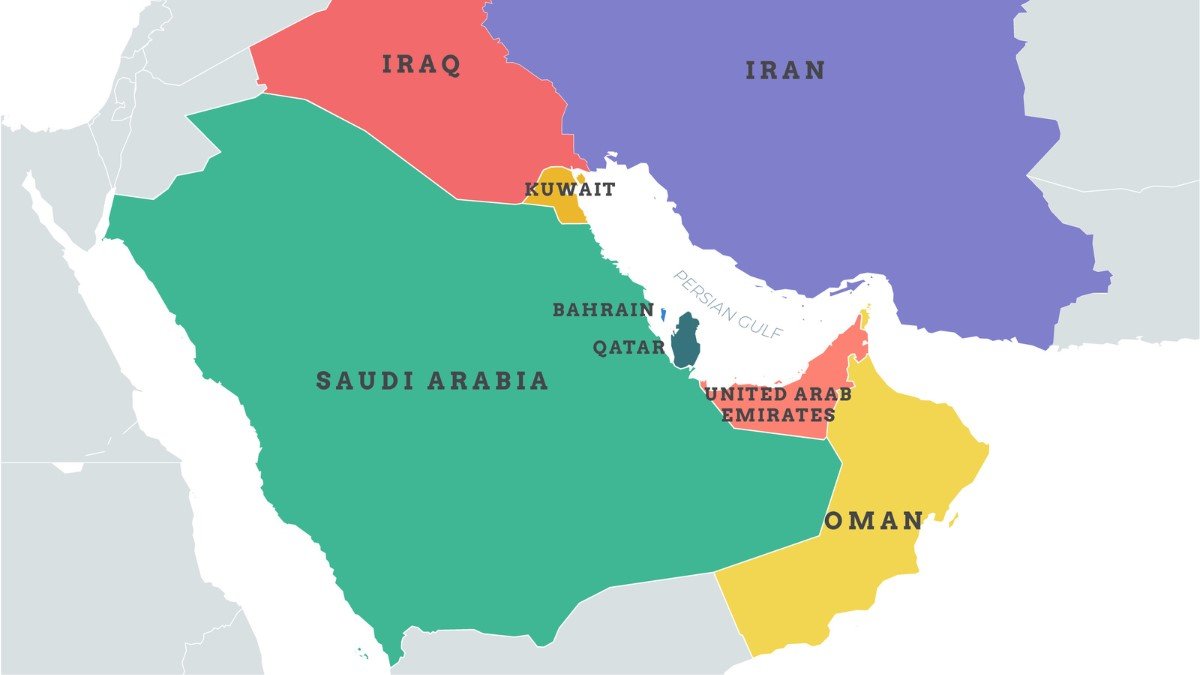
n the night of July 28–29, the Saudi Arabia Iran conflict reached a critical turning point as Saudi Arabia launched coordinated airstrikes alongside the United States targeting Iran-backed militias inside Iraq. This joint military action marks a dramatic shift in regional dynamics. For years, Riyadh painstakingly avoided direct military confrontation with Iran, choosing instead to prioritize diplomacy, regional dialogue, and economic growth over armed escalation.
However, repeated drone and missile strikes targeting critical Saudi oil facilities, national infrastructure, and Red Sea shipping routes escalated Riyadh’s security concerns to a tipping point. Intensified actions by Iran-backed Houthis in Yemen and expanding militia networks in Iraq created an increasingly hostile environment for the Kingdom.
Faced with mounting threats, Saudi Arabia shifted its strategic calculus from diplomatic patience to direct military engagement. This operation goes beyond an isolated tactical move—it signals a fundamental overhaul of Saudi foreign and security policy.
This shift raises crucial questions: Why did Saudi Arabia abandon years of strategic restraint? Can joint military action effectively contain Iran-backed networks, or is the Middle East entering a far more volatile phase of conflict?
What Transpired During the Joint Operation?
During the night of July 28–29, joint Saudi and U.S. forces carried out precision strikes against strategic nodes operated by Iran-backed militias in Iraq. Reports indicate that the operation primarily targeted:
- Command and control centers
- Logistics and supply hubs
- Advanced weapons depots
Saudi officials defended the action as a necessary measure to protect national sovereignty, energy infrastructure, and vital trade routes. Riyadh highlighted a persistent rise in drone and missile incursions into Saudi territory, along with ongoing threats to commercial vessels operating in the Red Sea.
| Faction / Country | Primary Action & Standpoint | Strategic Goal / Official View |
|---|---|---|
| Saudi Arabia & U.S. | Targeted militia supply hubs & weapons depots | Goal: Deter attacks on infrastructure & trade |
| Iraq (Baghdad) | Condemned strikes as unauthorized operations | View: Clear breach of national sovereignty |
| Iran (Tehran) | Denied involvement in preceding attacks | View: Rejected allegations as unfounded |
In response, Baghdad formally protested the operation, deeming unauthorized strikes on Iraqi soil a direct violation of state sovereignty. Tehran rejected all allegations, denying any direct connection to recent attacks on Saudi facilities.
Following the strikes, regional security alerts spiked across the Gulf. Iran-backed groups threatened swift retaliation against American and allied interests. The rapid escalation underscores that the conflict is no longer confined to isolated battlegrounds in Yemen or Iraq—it now directly affects the security framework of the broader Middle East.
Why Saudi Arabia Maintained Restraint in the Iran Conflict
To understand the weight of this strategic pivot, one must look at why Riyadh spent years avoiding direct confrontation with Iran and its network of proxies. The primary drivers extended well beyond military considerations into deep economic and diplomatic commitments.
1. Prioritizing Vision 2030
Under the leadership of Crown Prince Mohammed bin Salman, Vision 2030 serves as the blueprint for transforming the Saudi economy from oil dependence to a diversified, high-tech market. Key pillars include expanding tourism, domestic manufacturing, technology integration, and foreign direct investment (FDI).
Multi-billion-dollar megaprojects—such as NEOM, The Line, and the Red Sea Project—depend heavily on regional stability. Consequently, long-term economic strategy compelled Riyadh to avoid actions that could trigger a regional war.
2. Exhausting Diplomatic Channels
Saudi Arabia consistently leveraged diplomatic dialogue to manage regional friction. A prime example occurred in 2023, when China mediated a historic agreement to restore diplomatic ties between Saudi Arabia and Iran. Riyadh envisioned that restored communications would lower regional tempers and reduce proxy-led attacks without requiring military intervention.
3. Protecting Economic Growth and Investor Confidence
Global capital flows toward stability. International investors, logistics networks, and commercial tourism require a secure environment before making major financial commitments.
| Saudi Restraint vs. Shift Drivers | |
|---|---|
| Historical Restraint Drivers | Catalysts for Strategic Shift |
| Protection of Vision 2030 projects 2023 China-brokered Iran deal Attracting foreign investment | Repeated attacks on oil sites Red Sea shipping disruptions Deterrence against proxies |
Riyadh calculated that entering a wide-scale regional conflict would damage investor confidence and derail its economic agenda. For years, strategic patience remained the preferred approach over active military retaliation.
What Triggered Saudi Arabia’s Strategic Shift?
Saudi Arabia’s move from restraint to active military engagement was not impulsive. It represents a deliberate recalibration forced by a changing threat matrix. Saudi leadership concluded that defense alone could no longer neutralize persistent threats.
- Escalating Threat Levels: Unmanned aerial vehicles (UAVs) and ballistic missiles continued targeting oil processing plants, civil airports, and commercial shipping. The growing footprint of armed groups in Iraq and Yemen made clear that passive defense offered limited protection.
- National Security as an Economic Prerequisite: Economic reform cannot thrive when core infrastructure remains vulnerable. Frequent attacks increase insurance premiums, security expenditures, and global market anxiety. Protecting critical infrastructure became paramount to preserving Vision 2030.
- Establishing Tactical Deterrence: In strategic terms, deterrence requires demonstrating that attacks carry real consequences. By executing offensive strikes, Saudi Arabia signaled that continued incursions into its air space or maritime zones would yield direct military responses.
Can Saudi Arabia Contain Iran’s Proxy Network?
Saudi Arabia possesses one of the most technologically advanced militaries in the Middle East, supported by modern combat aircraft, air defense systems, and close defense integration with the United States.
However, asymmetric warfare presents distinct challenges. Managing proxy networks—such as the Houthis in Yemen or militia coalitions in Iraq—requires tactics beyond conventional military power. Low-cost drones, mobile missile launchers, and dispersed command structures make multi-front proxy conflicts complex to neutralize.
To secure long-term stability, military operations must be paired with actionable intelligence sharing, defensive readiness, and targeted regional diplomacy.
Macroeconomic and Regional Ramifications
Escalating tension between Saudi Arabia and Iran-backed proxy networks carries significant global implications:
- Global Energy Markets: As a central hub for worldwide energy supply, any extended conflict in the Gulf risks spiking crude oil prices and introducing volatility to global supply chains.
- Maritime Trade Routes: Security in the Red Sea and the Bab al-Mandab Strait is crucial for international maritime commerce. Persistent attacks raise ocean freight rates, marine insurance costs, and transit times for goods moving between Asia, Europe, and North America.
- Saudi Economic Reform Timelines: Sustained regional instability creates friction for foreign investment inflows and could adjust the execution timeline of key infrastructure initiatives.
Final Analysis
Saudi Arabia’s participation in airstrikes against Iran-backed militias in Iraq represents a significant evolution in its security doctrine. While Riyadh spent years pursuing strategic restraint, persistent threats to its national sovereignty and core infrastructure prompted a decisive shift toward active deterrence.
By establishing clear red lines around its energy grid and maritime access, Saudi Arabia has reshaped its strategic position. However, active deterrence brings inherent risks: if proxy forces intensify counter-strikes, the region could face an expanded cycle of escalation.
The ultimate impact of this strategic shift will depend on upcoming diplomatic maneuvers, regional responses, and retaliatory dynamics in the months ahead. What remains clear is that the Middle East has entered a new strategic chapter—one with direct consequences for regional security, global trade, and international energy markets.